
Engineering Beyond Technology
Mission-critical engineers operate in environments where reliability, safety, and operational excellence leave no room for error. Whether supporting data centers, healthcare, utilities, communications, transportation, or financial systems, their work directly impacts both public safety and business continuity.
As critical infrastructure continues to evolve, so do the expectations placed on the professionals responsible for keeping it running. Emerging technologies are transforming the way facilities are designed, monitored, and maintained, but technology alone cannot eliminate operational risk. The industry's greatest asset remains a workforce equipped with the technical expertise, sound judgment, and commitment to continuous improvement required to manage increasingly complex environments.
Preparing Engineers for the Future
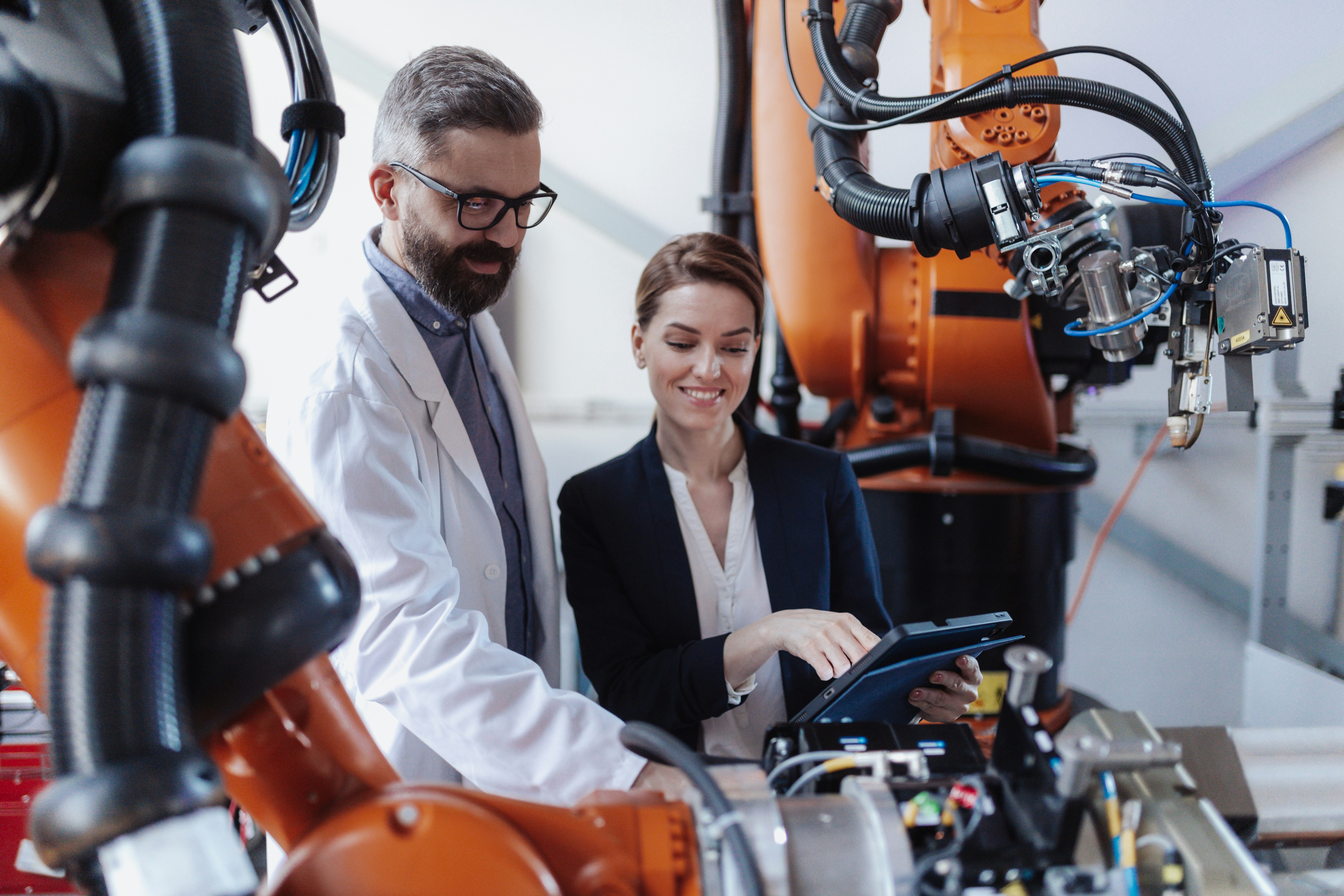
Digital technologies are creating new opportunities to enhance how mission-critical engineers learn and develop throughout their careers. Immersive simulations, intelligent analytics, and real-time operational insights allow engineers to practice complex scenarios in controlled environments while building the confidence needed to respond effectively in the real world. At the same time, these technologies help preserve institutional knowledge, making decades of operational experience more accessible to future generations of professionals.
Technology, however, is only part of the solution. Its true value comes from supporting engineers as they develop the expertise, judgment, and confidence that can only be built through experience, continuous learning, and practical application.
Investing in People
Building the next generation of mission-critical engineers requires more than modern tools—it requires a long-term commitment to professional growth.
Education, mentorship, and continuous professional development provide the foundation for a resilient workforce. Organizations that encourage certifications, industry collaboration, knowledge sharing, and hands-on experience create environments where engineers continue learning throughout their careers while helping develop those who follow.
Equally important are the qualities that define exceptional professionals. Ethical decision-making, effective communication, teamwork, adaptability, situational awareness, and accountability remain essential in environments where every decision carries significant operational consequences. These are the characteristics that technology can support but never replace.

Looking Ahead
The future of mission-critical engineering will be shaped by organizations that invest in both innovation and people. As AI and other emerging technologies continue to evolve, their greatest contribution will be enabling engineers to learn more effectively, make better-informed decisions, and preserve the knowledge that keeps critical infrastructure operating safely and reliably.
By combining advanced technologies with continuous learning, mentorship, and a culture of operational excellence, the industry can prepare the next generation of professionals to meet the demands of an increasingly connected world.